Earlier this month, Borealis Birding traveled to Galveston to participate in the Featherfest, a rather amiable event set at the ground zero of spring migration- the upper coast of Texas. Millions of neotropical migrants set down here every spring after making the 600 mile crossing over the Gulf of Mexico. This is an incredible occurrence and draws hundreds to thousands of birders to the coast of Texas every year, or in other words, a great time to have a birding festival! However, our take on this was “if we are going to go all the way to Texas, why not go early and bird?”. So I set out, accompanied by my good friends and colleagues Gar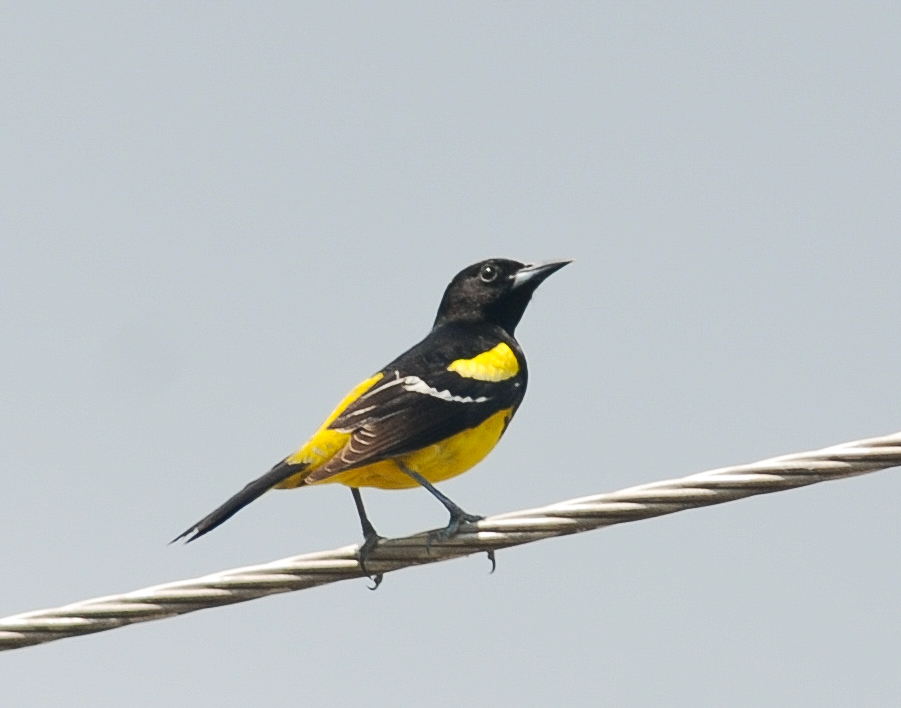 y Palmer and Kevin Welsh on a long 26 hour drive that when we got to our first birding destination, found us at Granger Lake, outside of Austin looking at a pair of drab yet thrilling Mountain Plovers! This was an exciting way to to kick of the trip as they were a lifer for all three of us and if it could be said that I had a “nemesis bird”, Mountain Plover was certainly it as I have tried and failed several times in multiple states and seasons to find one of these rare and declining birds.
Of course, the reason we headed towards Austin rather then the coast was we wanted to go the Edwards Plateau- the lovely “hill country” of Texas. Here there are a pair of birds that nest only on these rocky hills clad in juniper and oak. Those of course being the fetching Black-capped Vireo and brightly marked Golden-cheeked Warbler. We woke up our first morning in Texas to a delightful dawn chorus of birds outside our tents, summoning us to shake off the confusion that such a long car ride brings. Carolina Chickadees, Lesser Goldfinches, White-eyed Vireos, Ash-throated Flycatchers and yes, Golden-cheeked Warblers, a glorious vocal ensemble welcoming us to the dawning of spring; when we left Marquette two evenings earlier, there was still a couple of feet of snow on the ground! Our location was none other than the beautiful canyon of Lost Maples Natural Area and the birding has always treated me really well in this jewel of a park even on what was a damp and foggy 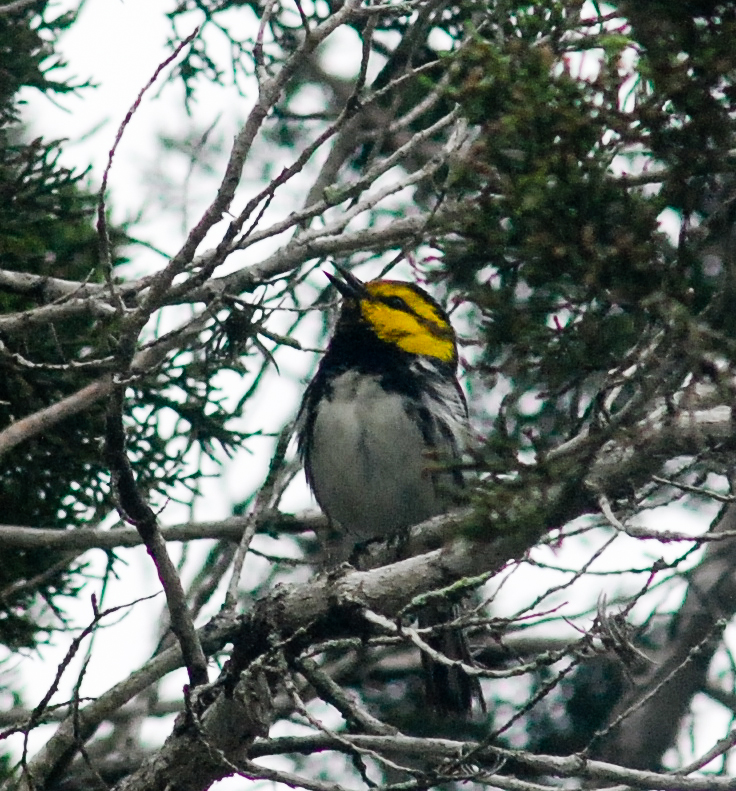 morning.
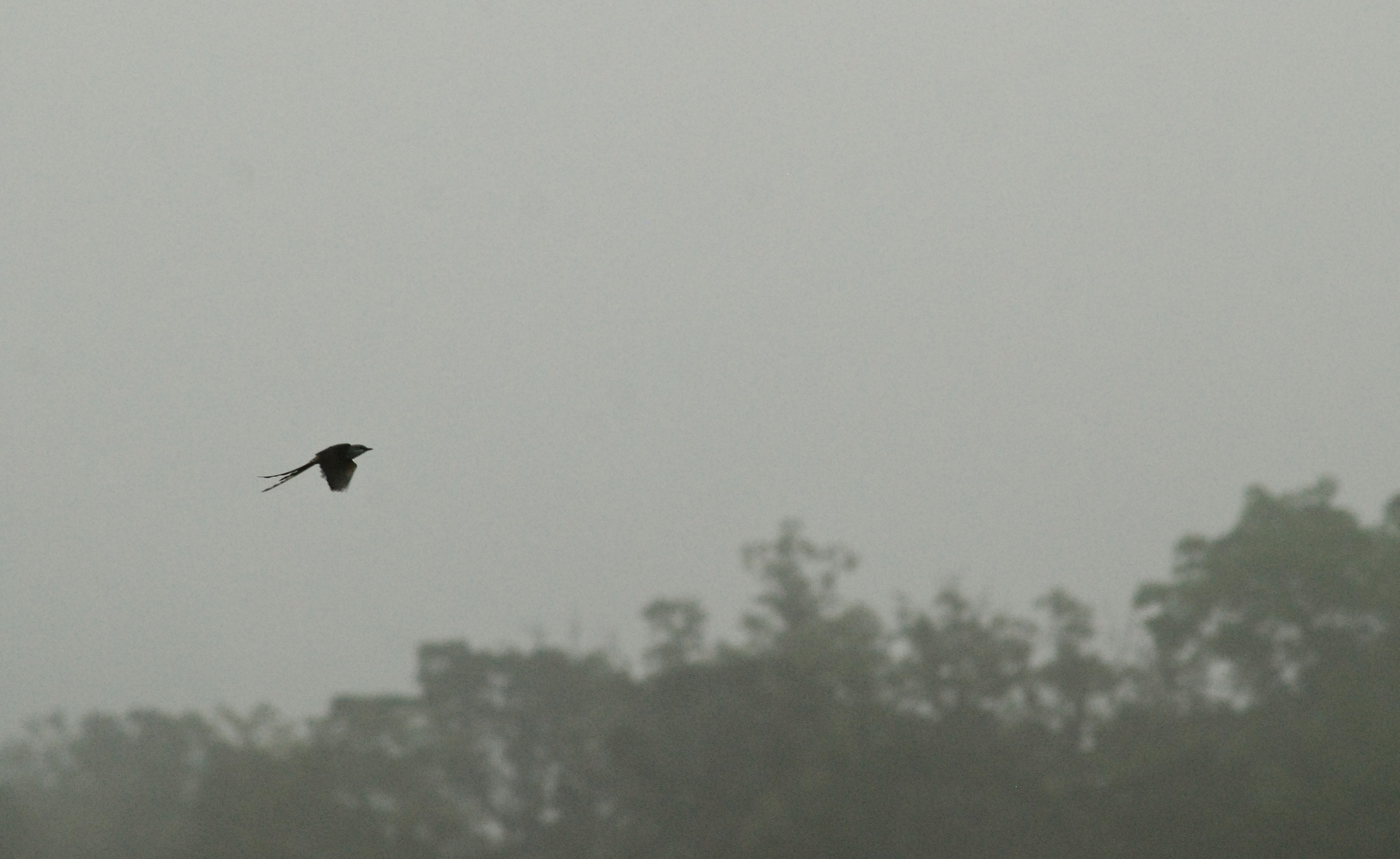
The Golden-cheeks proved to be quite cooperative and we also quickly picked up several other southern delights like Louisiana Waterthrush, Hutton’s Vireo, Vermilion and Scissor-tailed Flycatchers, Yellow-throated Warblers and the always delightful Scott’s Oriole! We were however on the early side for the Black-capped Vireos and none were found that day. We spent the afternoon wandering off the beaten path exploring little birded watersheds in hope of a south-of-the-border rarity that had wandered too far north. While the birding was excellent and had a sub-tropical feel to it with birds like Olive Sparrow, the mighty Ringed Kingfisher and some great looks at Zone-tailed Hawks cruising right over our heads, daylight was burning away and we wanted to get down to Concan to see the bat cave before dark. 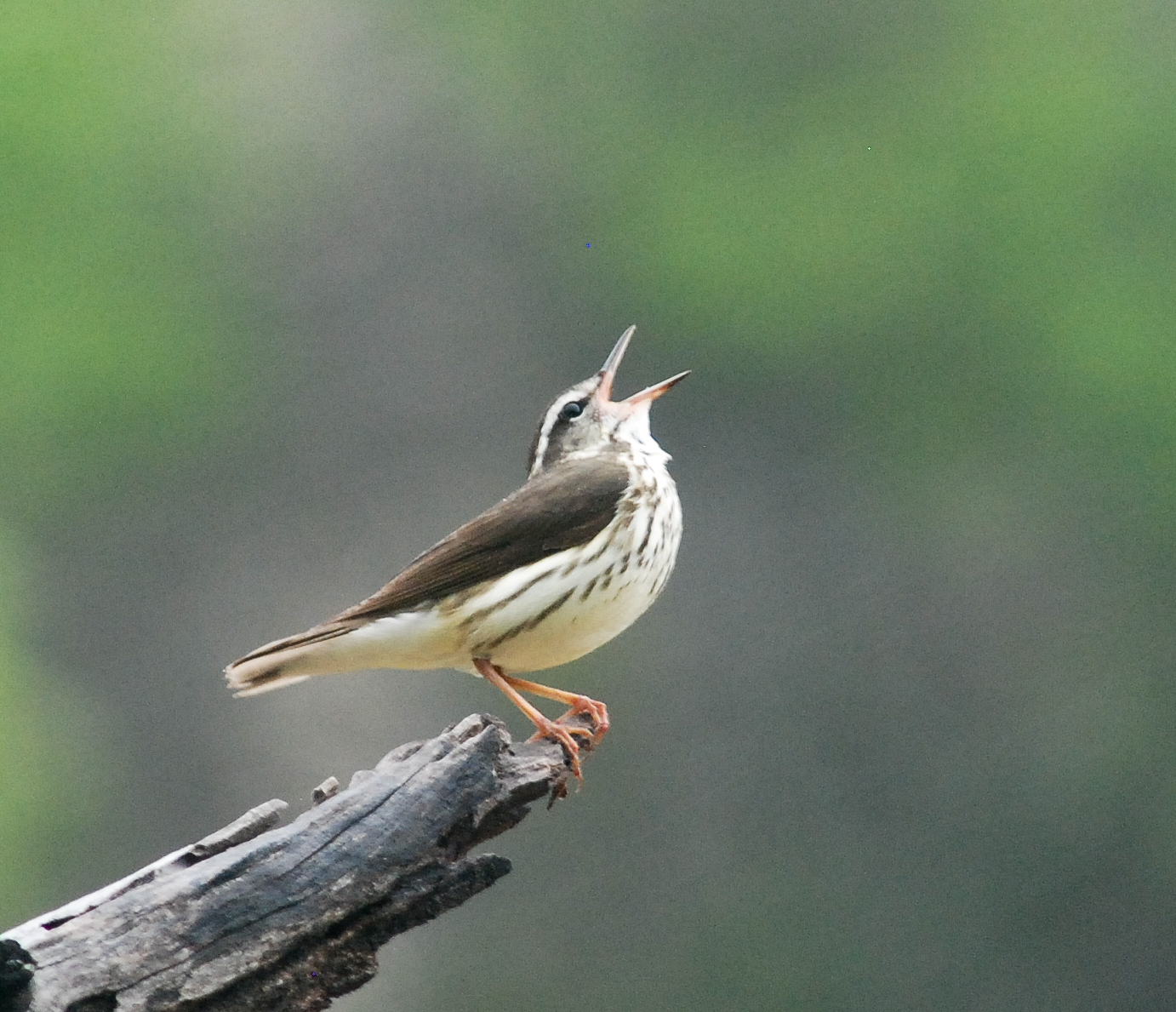
The Concan Bat Cave while yes, possibly a superhero hideout in the hills, also is the site of a small mine-shaft that some 20 million Free-tailed Bats swarm out of on a nightly basis. It was incredible. Simply one of those out of a National Geographic moments that I love so much. It was a constant tornado of bats that went on for 40 minutes! In an era of when so many bat species are in decline, it was great to see so many of them spewing forth like some sort of volcano. This is something I must and will see again! As we drove away into the night we heard a couple of Common Poorwills, a sweet little nightjar that was another reminder that we were on the gates of the American Southwest.
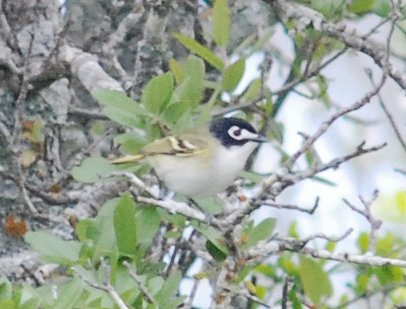
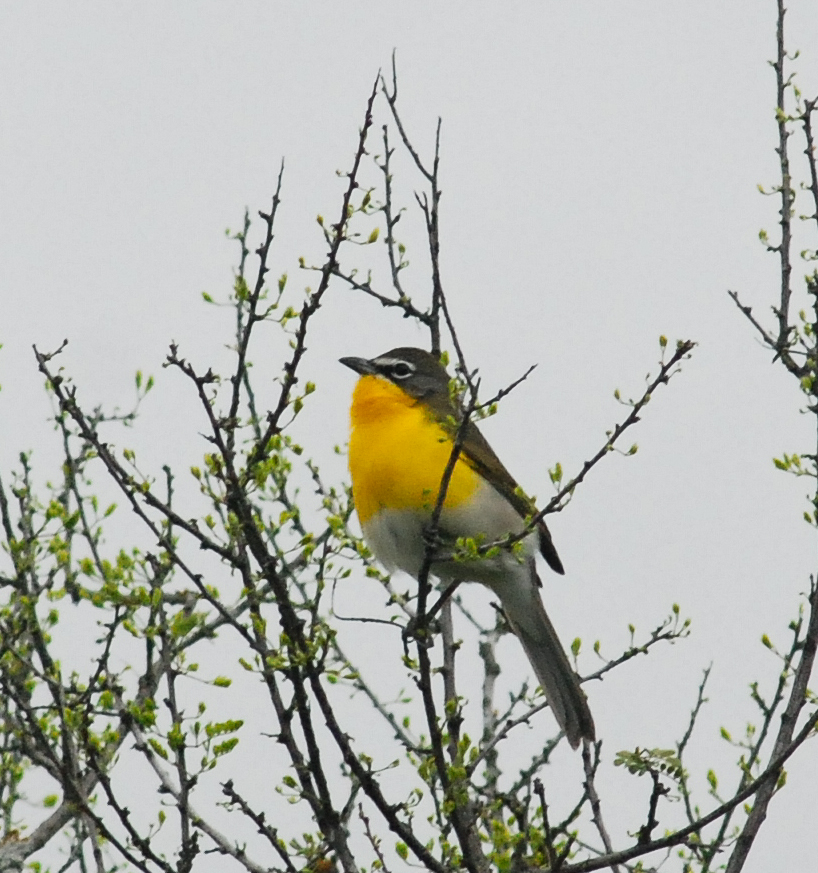 We awoke in Chalk Bluff- with its looming escarpment and cottonwood lined gravel streams, it was more reminiscent of birding Arizona rather than being in Texas. With Canyon Wrens performing their free-fall spiraling song off the edge of the cliff, we hunted for birds in the riparian thickets below. Hooded Orioles flashed through the trees and Long-billed Thrashers and Yellow-breasted Chats taunted us from dense thorn-scrub. The most psychotic of all the flycatchers made its first trip appearance, a pair of Great Kiskadees were nosily sputtering away to what ever it is these grand and ridiculous birds go on and on about. I could of spent all day meandering around this great park, but there is never enough time for everything and we wanted to try again for Black-capped Vireos before we left the Hill Country. We headed out to some desert hills nearby and checked out some likely looking habitat. We poked around, marveling at the number of White-eyed Vireos present when I heard a stuttered song almost being drowned out by the White-eyes and called the guys over to play hide and seek with a shy Black-capped Vireo singing from a clump of junipers. Soon a few more made themselves present and along with a few other goodies like Bell’s Vireo, Verdin, Black-throated Sparrow and Canyon Towhee, we were riding high on our good fortune of this productive stop. However if that wasn’t enough, while Gary and I were trying the impossible task of photographing a Black-capped Vireo, Kevin’s finely tuned ears picked up a real prize- a singing Gray Vireo further up the hill! Likely the furthest east member of its species, this was a new Texas bird for me and the little guy was very cooperative and showed well.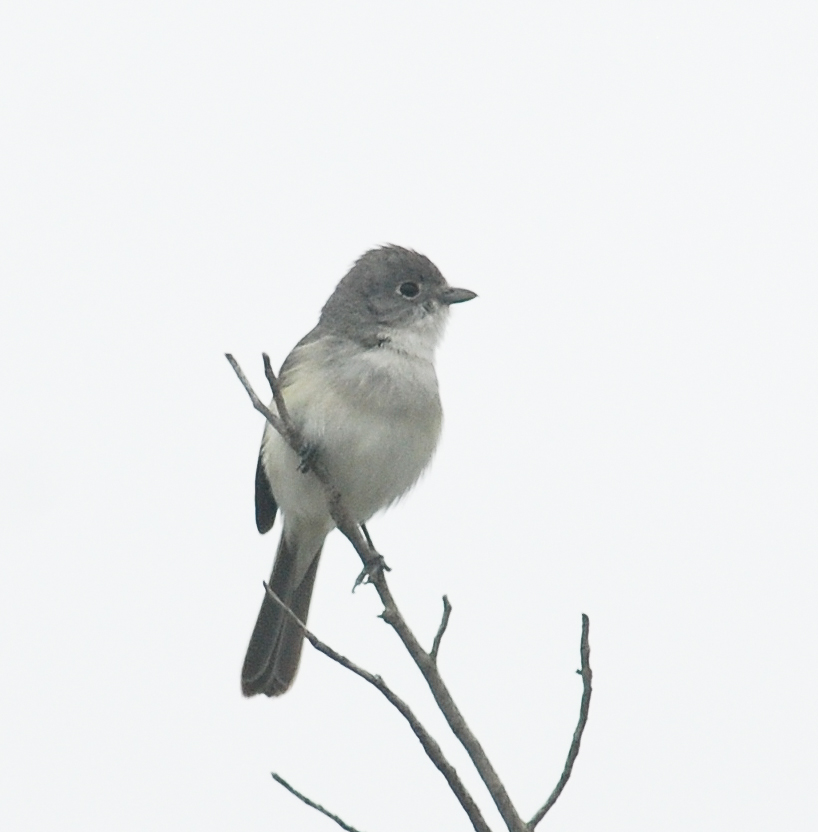
Now it was just time for a high-speed burn across the desert to make it to the banks of the Rio Grande before dark. Texas, simply put, is huge and trying to make it work with the nuance of target birding can be difficult at times. The quest was simple enough, try and find White-collared Seedeaters, a small nymph of a bird found only in a couple of places in between the Hill Country and the Lower Rio Grande Valley, but time was dwindling on our day. We rolled into Laredo and worked over the North Central Park pretty good. Despite recent reports, we could not turn one up and kept moving. A few more stops proved pleasant birding, but seedeaterless all the same. Then for our final attempt we came to the small bird sanctuary in the charming Mexican-influenced village of San Ygnacio. I had been here many years ago with a buddy and we had great looks at the only Seedeater I’ve seen in the U.S., but reports seem to be rare from this little birded park.
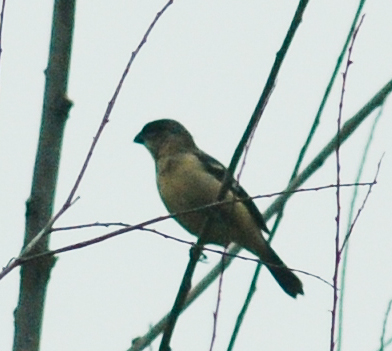 I will never not stop at this place again. Within 30 seconds of walking into the sanctuary, we heard and spotted a male White-collared Seedeater tee’d up in a spindly tree. At least one if not two more were doing the same elsewhere along the riverbank, and there were birds everywhere trying to get one last bite to eat before settling in for the night. On the Mexican side of the river was a large vulture/Crested Caracara roost, and Caracaras just kept streaming in as we watched. Flocks of migrant Scissor-tailed Flycatchers passed north over the river; one flock contained one of the few Western Kingbirds we would see on this trip. An odd call from the thicket proved to be a flightless young Long-billed Thrasher. And besides having such great looks at the Seedeaters, we encountered three other borderland specialties- Audubon’s Oriole, Gray Hawk and right at dusk a Clay-colored Thrush was mewing from the dark by our car! Fantastic. And it was only the end of day two.
I’ll get another post up sooner than later hopefully about part two of the trip- the Lower Rio Grande Valley! See you then.
 Borealis Birding